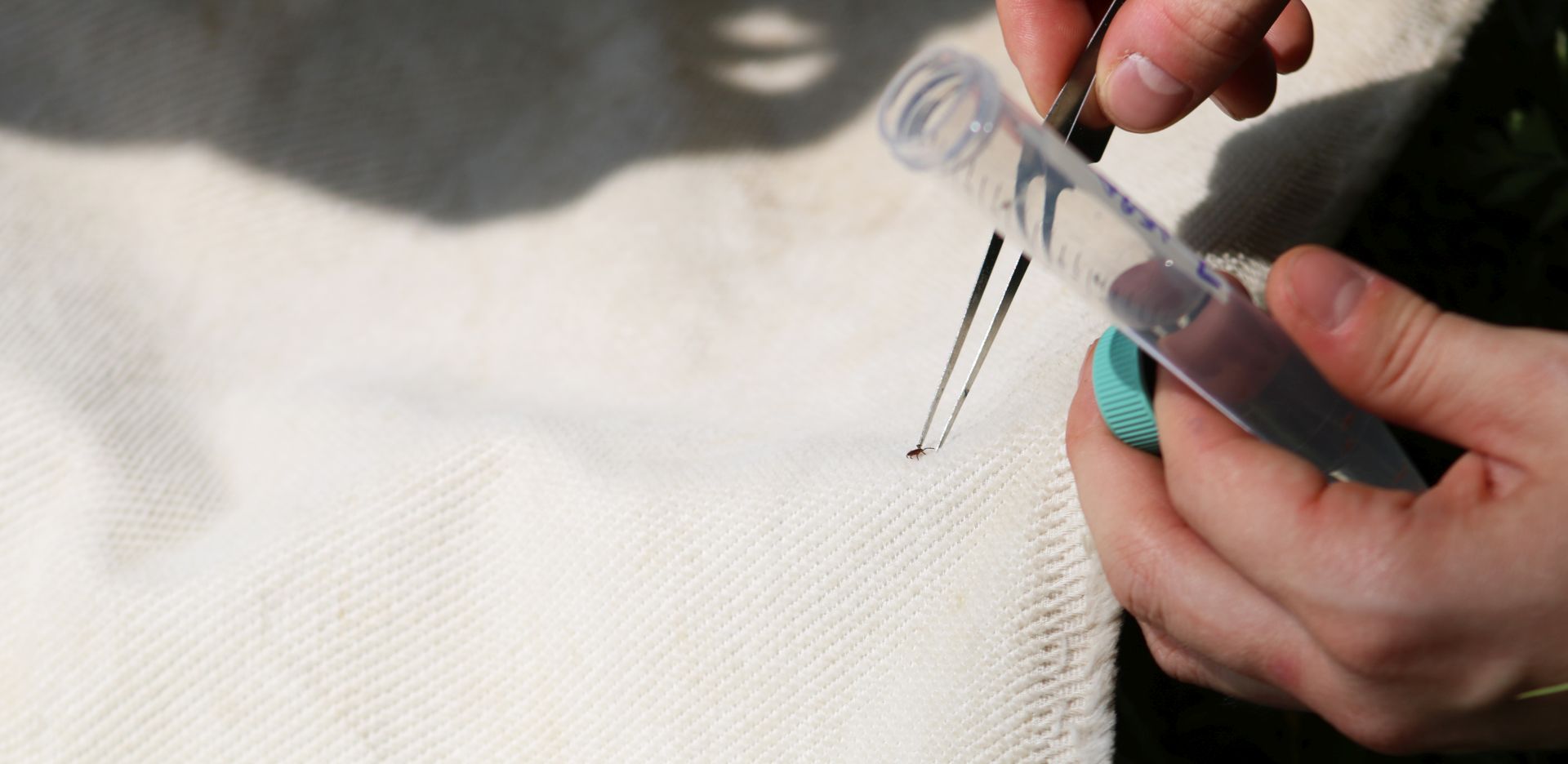
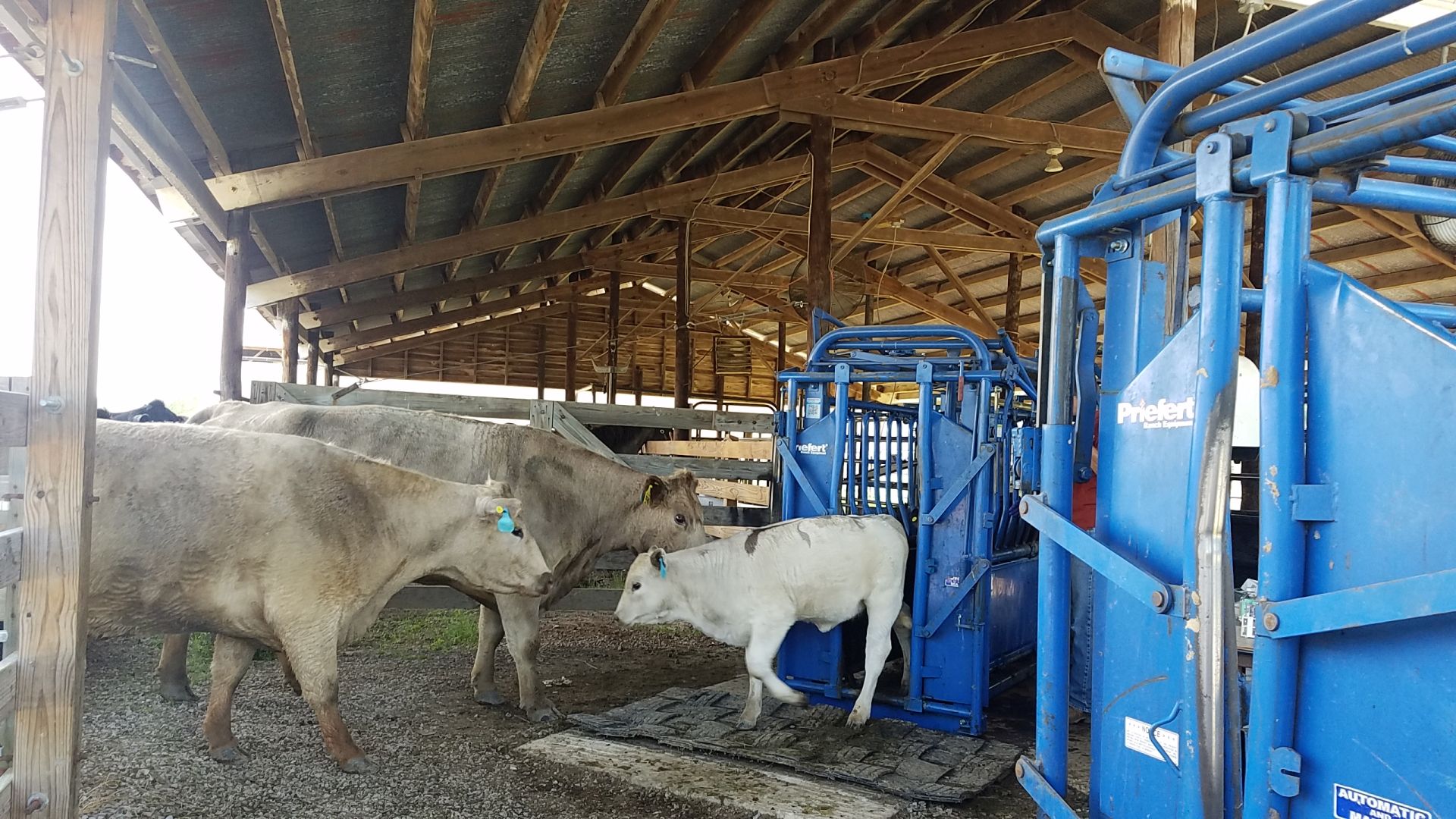
Veterinary Entomology Scholars (VESs) will be invited to participate in this project at one of four land-grant institutions in Tennessee, Georgia, Kansas, or Texas. All four universities are Carnegie R1 institutions and the Land Grant University for each state. Each university also has research and education centers (RECs) designated to support research conducted that benefits the state, and these centers will be available to the scholars for tours, research, and additional learning and sharing opportunities. These RECs are equipped with field vehicles, cattle-working facilities, catch pens, and chutes. Importantly, each university provides additional flavor for the scholars.
At all locations, scholars will learn the following entomology-specific skills: arthropod collection, identification using microscopes and dichotomous keys, basics of integrated pest management, and use of artificial intelligence and machine learning to detect pests on cattle. Additionally, scholars will conduct independent projects using the skills of the scientific method (observation, literature search, data collection/analysis/management, interpreting results, and communicating findings). Scholars will attend and present at the Livestock Insects Workers Conference. In preparation for participating in the conference, background reading will be conducted on notable senior scientists the participants want to meet there.
2026 Opportunities:
Project:
Scholars selected to work at UT will visit cow-calf farms and assess the current pest population at those farms by conducting tick and fly collections, identifying collected materials with dichotomous keys and microscopes, assessing insecticide/acaricide efficacy with bioassays, and screening for pathogens with molecular techniques. Extension projects will focus on developing factsheets using results from their independent projects. Additionally, UT VESs will have the opportunity to complete the VectorEd Network Certificate program in Public Health Entomology and be exposed to several One Health associated projects.
Project:
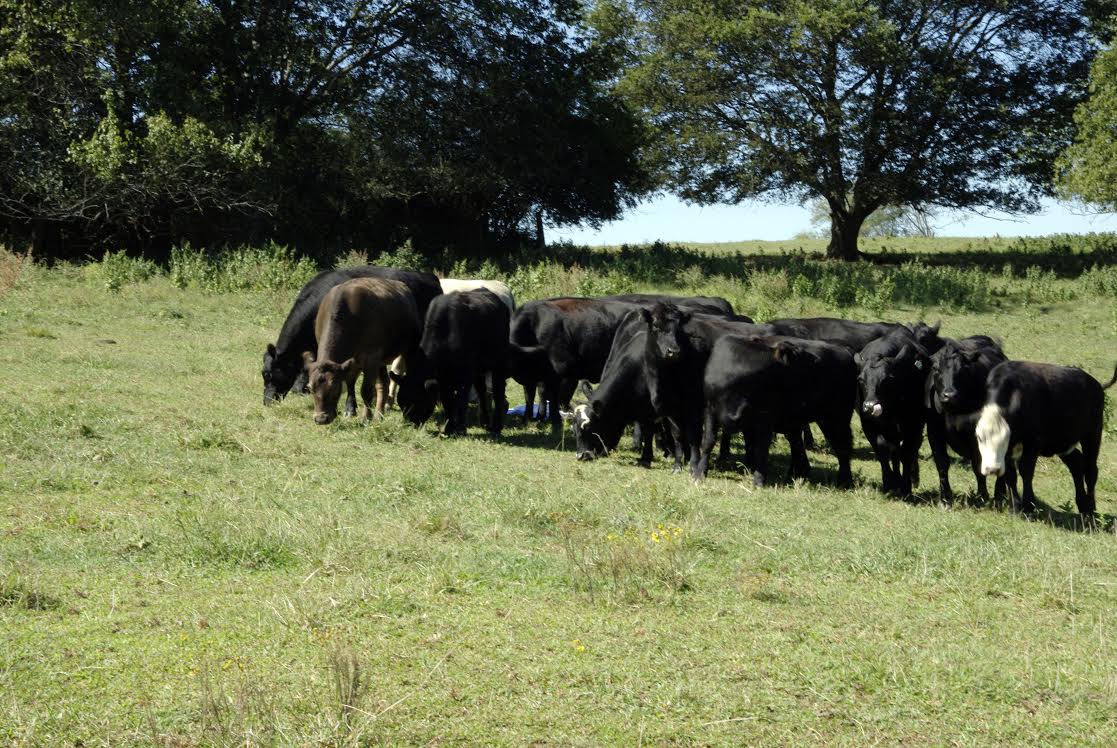
Scholars selected to work at UGA will collect ticks on local pastures while learning about livestock production and the challenges of controlling cattle pests. Scholars will also have a unique opportunity to visit the UGA Poultry Research Facility to learn differences between breeder, broiler, and layer flocks as well as processing (from conception through meat packaging and marketing) and tour the only black fly rearing facility in the world. Additional skills learned at UGA include production practices for beef, dairy, sheep, swine, and horses. We will take field trips to the School of Veterinary Medicine, research sites, and the Smithsonian’s National Tick Collection. Based on what they learn, participants will prepare fact sheets about significant pests, develop presentations about ticks and other ectoparasites, and write articles for target publications.
Project:
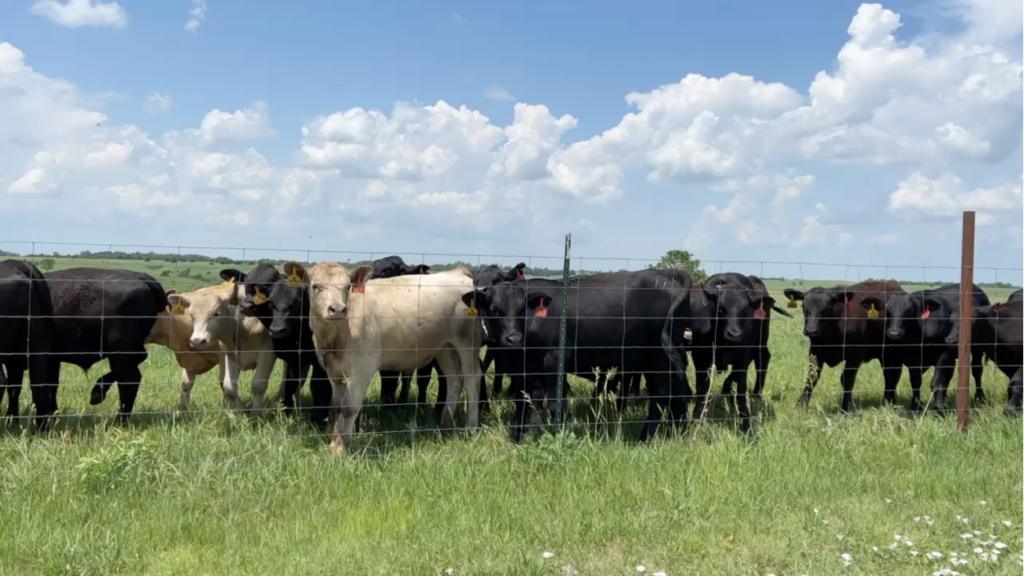
Scholars selected will quantify the impact of Bovine Anaplasmosis on cow-calf production systems in Western Kansas. Projects involve both field and laboratory-based experiences with exposure to the stages of cattle production in Kansas. Unique to K-State, scholars will be able to visit the USDA-Agricultural Research Service Arthropod-borne and Foreign Arthropod-borne Animal Disease Research Centers as well as research facilities at K-State. Additional skills learned at K-State include field tick and fly surveillance and molecular techniques such as DNA isolation, PCR and ELISA. Students will be exposed to ongoing projects in the Olds lab including monitoring dung beetle populations, measuring fly worry behavior in horses, and machine learning for tick identification.
Project:
Scholars selected to work at TAMU in Stephenville will have the opportunity to work on a novel first-look tick surveillance project and fly-rearing projects. Scholars will have the chance to visit poultry facilities and assist with poultry litter beetle research, zoological biting fly assessment, and other biting arthropod efficacy projects. Unique to TAMU, scholars will have the opportunity to also learn about dairy production and grassland ecology at the Stephenville REC and visit the USDA-Agricultural Research Service Livestock Arthropod Pest Research Unit (Kerrville, TX). In addition to being a part of front-line Extension and Research efforts to prevent the return of the New World Screwworm in Texas and the US. Additional skills learned at TAMU include interacting with producers through research and extension programming, visiting with County Extension Agents around the state, field surveillance techniques, and insect rearing methods. Scholars selecting this location should bring their own vehicle (minimal public transportation).